


Alpine Spinal Rehab Chiropractor in Provo, UT
Restoring Spines to Last a Lifetime.
Welcome to Alpine Spinal Rehab in Provo, offering chiropractic care, Med X spinal rehab, decompression therapy, massage, and auto injury support to help you move better.
Serving Orem and Provo since 1981
$49 New Patient Special
Specialized Neuropathy Care In Provo
Nerve Relief Starts With Finding The Cause
Alpine Spinal Rehab helps patients with neuropathy symptoms such as burning, tingling, numbness, weakness, and discomfort in the feet, legs, hands, or arms.
Instead of masking symptoms, our team focuses on understanding what may be affecting nerve function, mobility, and daily comfort. Your first visit includes a detailed evaluation so we can determine whether our approach is a good fit for you.
Chiropractic and Spinal Rehab Services in Provo, UT
Alpine Spinal Rehab provides complete chiropractic care in Provo, UT for pain relief, injury recovery, and long term spinal health. Explore our services below and choose the option that best matches your needs.
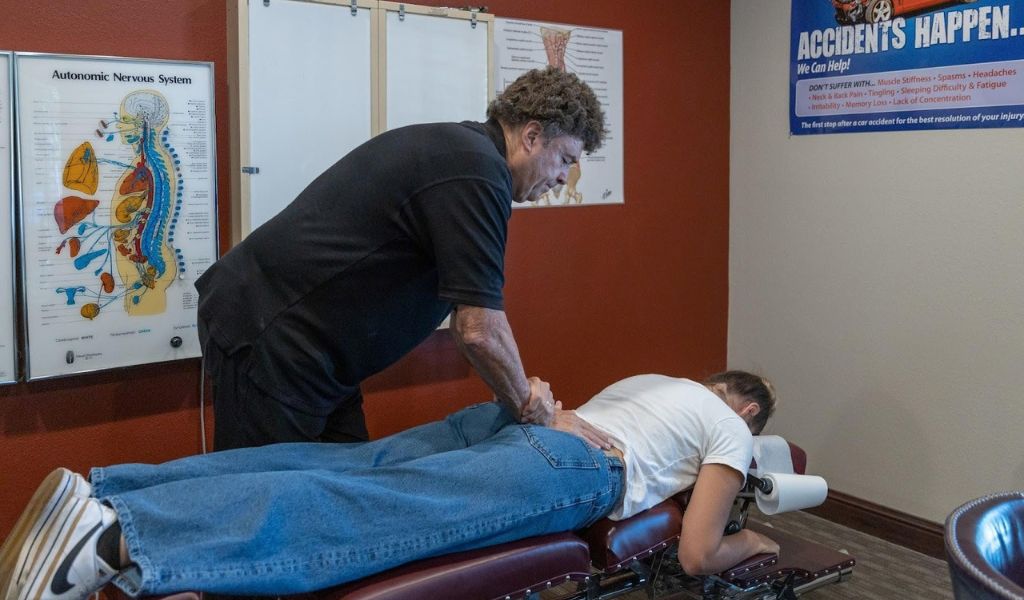
Chiropractic Adjustments
Precise chiropractic adjustments improve joint motion, reduce irritation, and support natural healing for lasting relief.
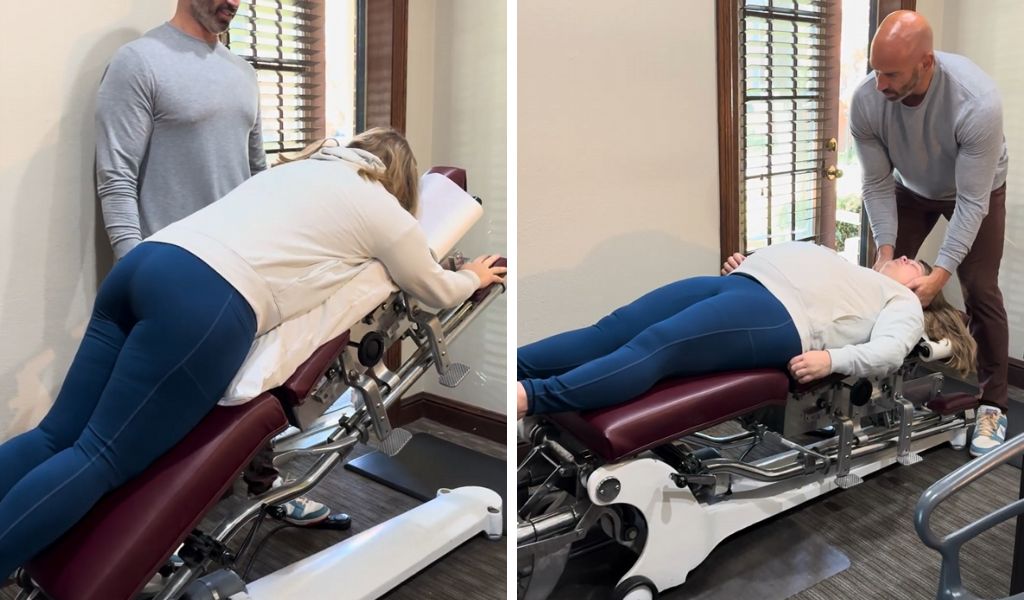
Spinal Decompression
Non surgical spinal decompression reduces disc pressure, eases nerve irritation, and supports healthier movement over time.
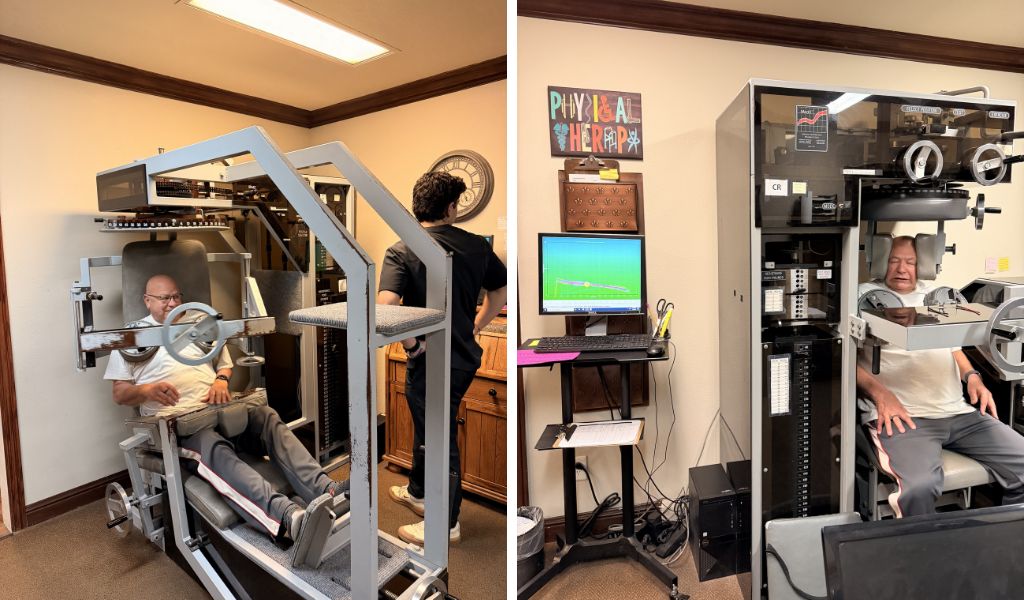
Med X Spinal Rehab
Med X spinal rehab targets deep spinal muscles, rebuilding stability, endurance, and strength for daily activities.
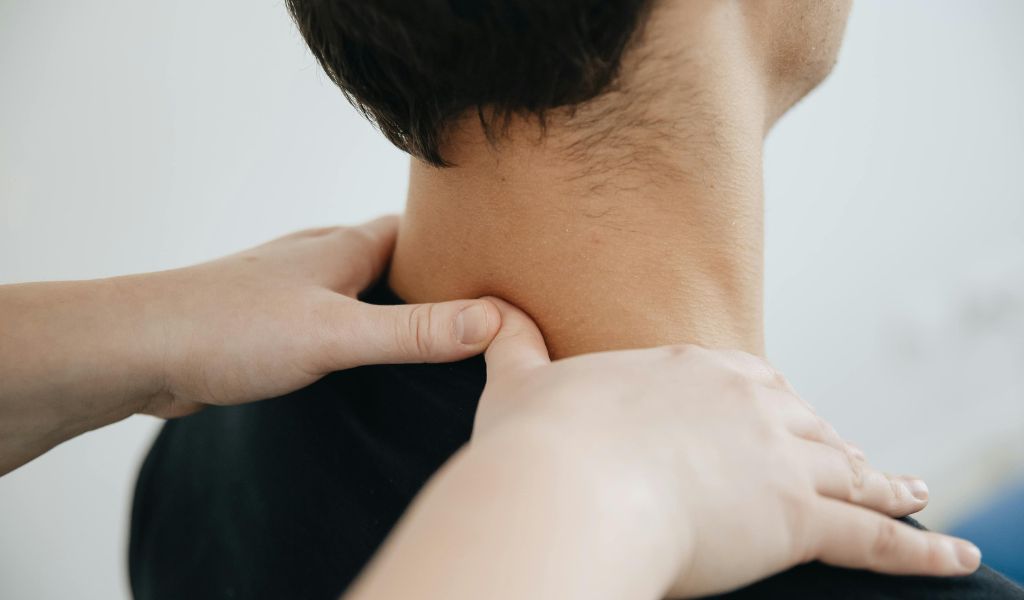
Massage Therapy
Therapeutic massage releases tight muscles, improves circulation, and helps your adjustments hold longer between visits.
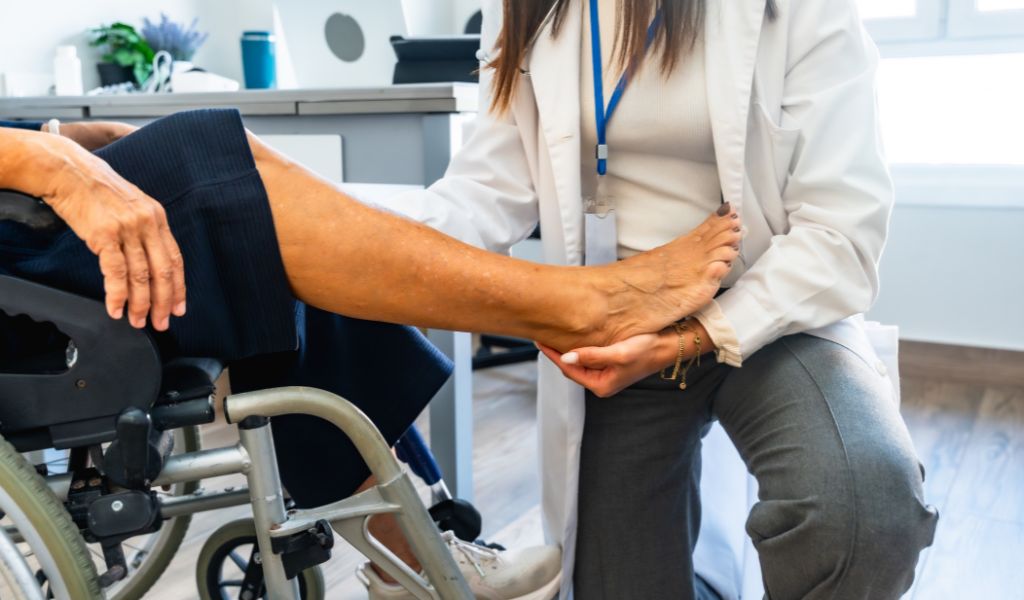
Auto Accident Care
Auto accident chiropractic care addresses whiplash and strain, supporting recovery plans and needed documentation.
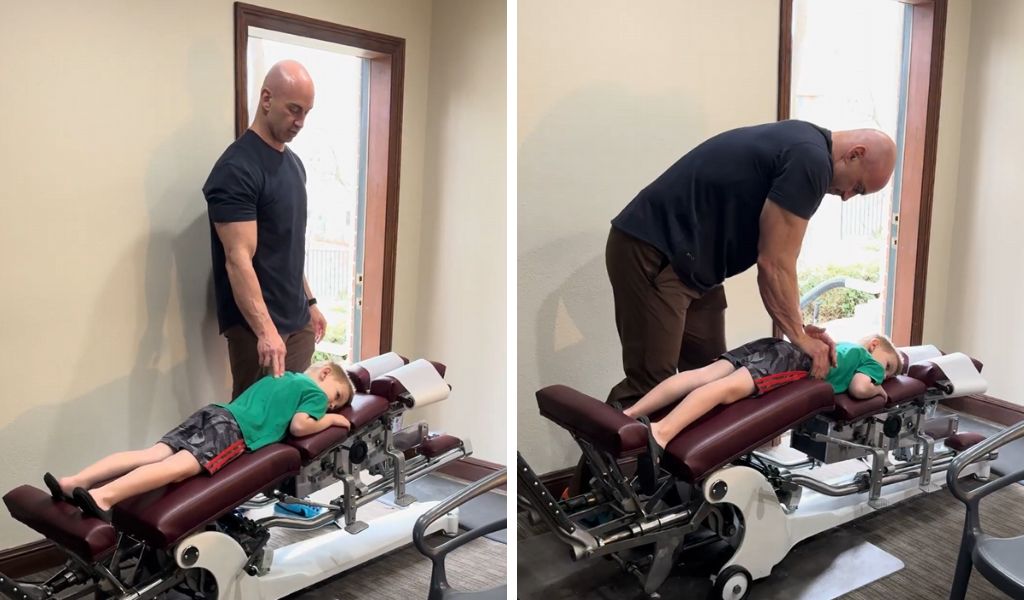
Pediatric Chiropractic
Gentle pediatric chiropractic supports posture, movement, and nervous system balance for growing children.
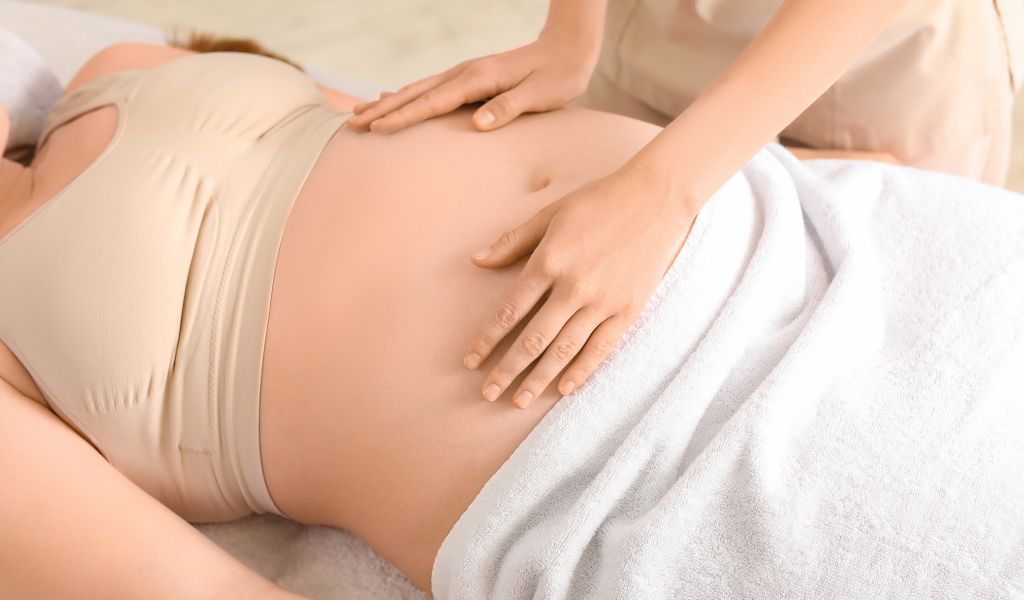
Prenatal Chiropractic
Prenatal chiropractic care reduces pelvic tension, supports alignment, and improves comfort during pregnancy.
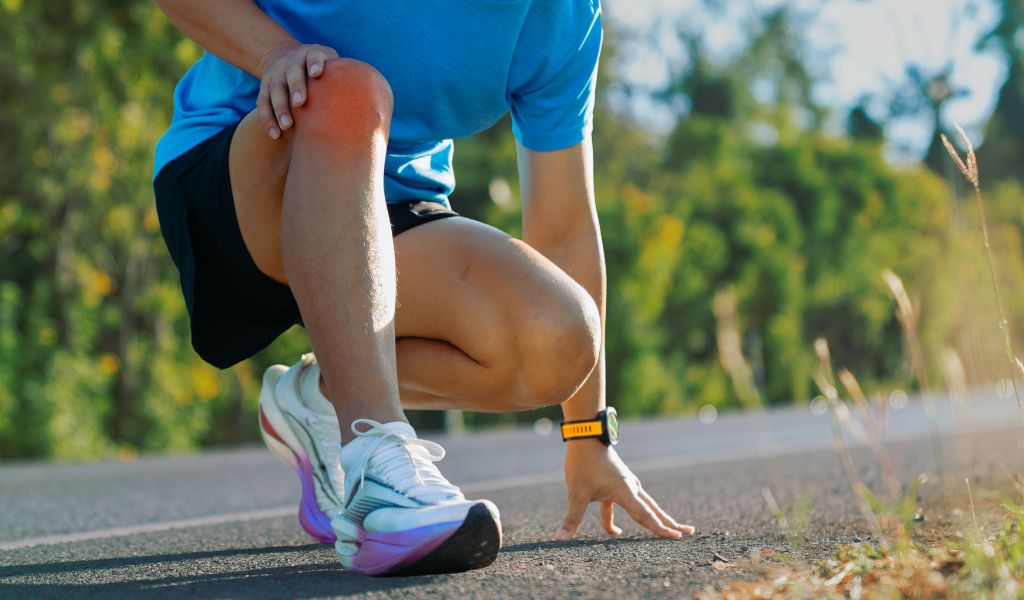
Sports Injury Care
Sports injury treatment restores mobility, improves mechanics, and builds resilience for return to activity.
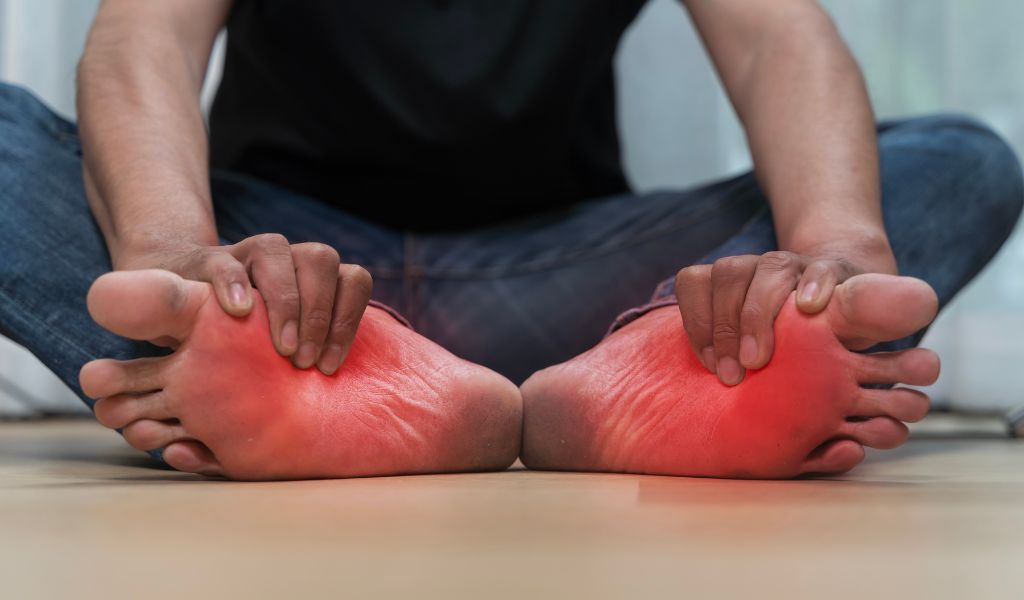
Neuropathy Care
Neuropathy care uses conservative strategies to improve function, comfort, and movement in daily life.

TMJ Treatment
TMJ treatment reduces jaw tension and headaches by improving alignment, mobility, and muscle balance.
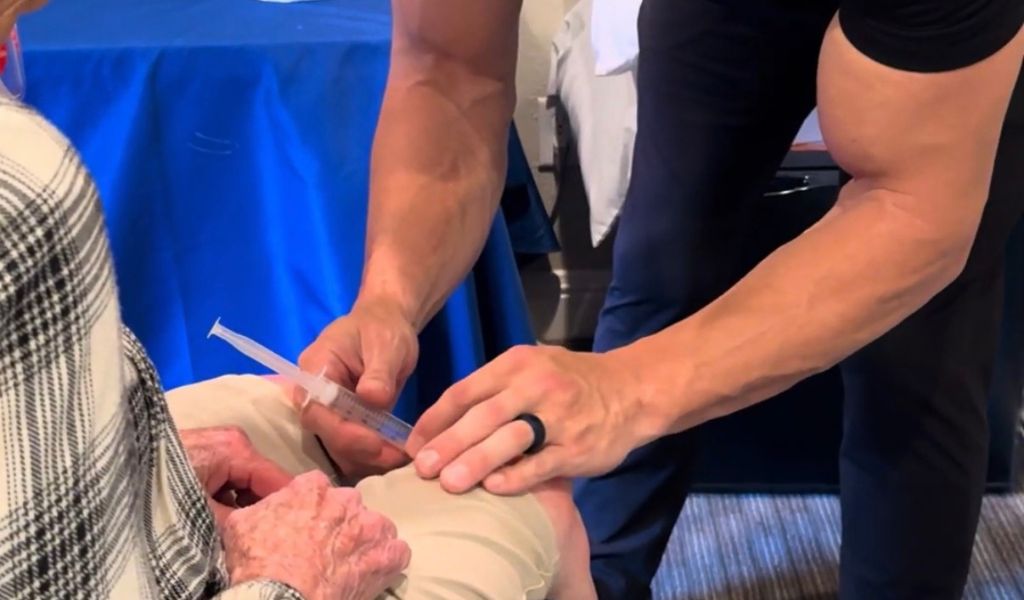
Ozone Therapy
Certified ozone therapy may support recovery as part of a personalized chiropractic care plan.
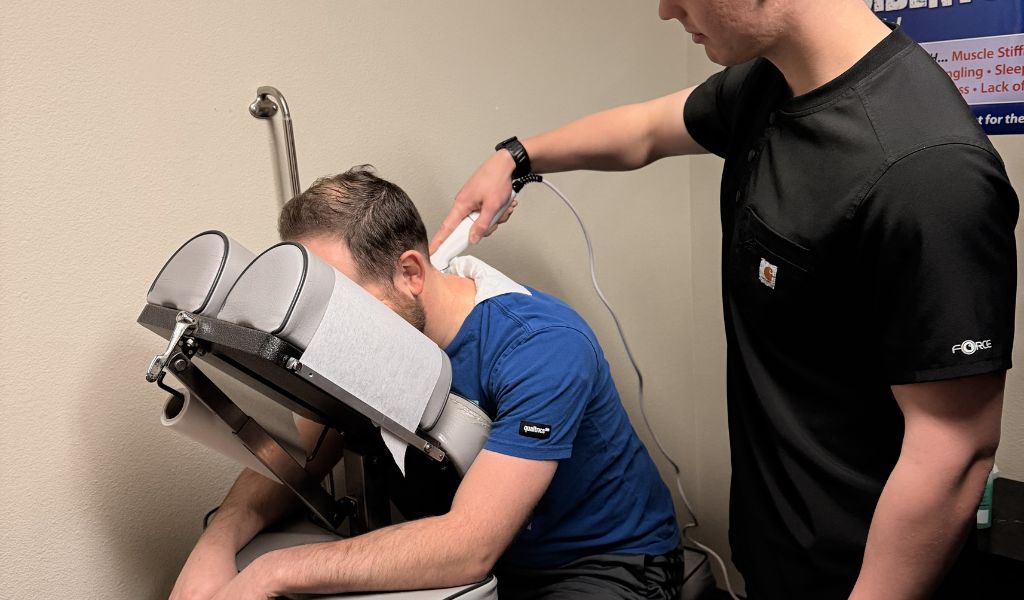
Spinal Physical Therapy
Spinal physical therapy strengthens weak areas, improves control, and supports long term spine stability.
A Provo Chiropractic Clinic Built for Real Recovery
Alpine Spinal Rehab is a Provo, UT chiropractic clinic dedicated to helping patients improve health, mobility, and day to day function with care that is clear, practical, and personalized. Founded by Dr. Jerry S. Clark D.C. in 1981, our team has served local families for decades with a focus on long term results, not just short term relief.
Our approach blends chiropractic adjustments with physical therapy and advanced treatment options like ozone therapy, so your plan fits your condition and your goals. We regularly help patients dealing with neck pain, back pain, and recovery after auto accidents, and we also offer pediatric chiropractic care for families in Provo and nearby Orem. You can find us in the Clock Tower Building on North University Ave in Provo.
Start With Answers and a Clear Next Step
Your visit includes a spinal assessment and adjustment, X rays when appropriate, and passive therapy as needed.
Experienced Chiropractors Serving Provo, UT
At Alpine Spinal Rehab, you will be cared for by two experienced chiropractors who focus on clear answers and practical care plans. Dr. Jerry S. Clark D.C. is a Provo chiropractor and the founder of Alpine Spinal Rehab. He studied at Western State College of Chiropractic and has led the clinic since 1981, helping generations of local families improve mobility and reduce pain.
Dr. Mike Vanchiere D.C. graduated from Parker University College of Chiropractic in Dallas, Texas. He is known for a supportive, recovery focused approach that helps patients return to work, daily life, and activity with confidence. Together, our doctors combine chiropractic adjustments with spinal rehab, spinal decompression, massage, and supportive therapies to help patients across Provo and Orem feel better and stay better.
Conditions We Treat in Provo, UT
If you are searching for a chiropractor in Provo, UT for pain relief and better mobility, this is what we help with most. Patients also come from Orem for care that supports both recovery and long term function.
Lower Back Pain
Reduce low back pain with chiropractic care, rehab strengthening, and movement patterns for daily life.
Neck Pain
Relieve neck pain by improving joint mobility, posture, and muscle balance with targeted chiropractic treatment.
Sciatica
Ease sciatica symptoms by reducing nerve irritation, decompressing discs, and rebuilding stability through guided rehab.
Headaches
Address tension headaches by treating neck stiffness, posture strain, and joint restriction that trigger pain.
Herniated Discs
Support herniated disc recovery with decompression, gentle adjustments, and progressive strengthening to restore function safely.
Degenerative Disc Disease
Improve comfort with degenerative disc disease using care, stabilization exercises, and lifestyle guidance for flareups.
Bulging Disc
Bulging disc treatment helps reduce pressure, calm nerve irritation, and improve movement with less pain.
Postural Issues
Postural corrective treatment helps reduce tension, improve alignment, and support better movement with less daily strain.
Car Accidents and Auto Injuries
Recover after car accidents with chiropractic treatment, soft tissue support, and documentation for injury claims.
Whiplash
Treat whiplash by restoring neck motion, reducing inflammation, and rebuilding strength after an accident safely.
Personal Injury
Personal injury care focuses on pain relief, functional recovery, and progress tracking from day one.
Work Injuries
Get help for work injuries with chiropractic care, rehab strengthening, and ergonomic guidance for prevention.
Sports Injuries
Return to sport faster with mobility work, alignment care, and strengthening that reduces reinjury risk.
Sprains And Strains
Sprains and strains cause pain, swelling, and limited motion after overuse, lifting, or sudden injury.
Arthritis
Manage arthritis discomfort with gentle mobilization, strengthening, and supportive therapies that keep joints moving daily.
Bursitis and Tendonitis
Reduce bursitis and tendonitis pain by improving mechanics, decreasing irritation, and supporting tissue recovery naturally.
Hip Pain
Ease hip pain by improving spine and pelvic alignment, mobility, and strength for better walking.
Knee Pain
Help knee pain by addressing biomechanics, muscle imbalance, and movement patterns that overload joints often.
Shoulder Pain
Treat shoulder pain by improving posture, restoring range of motion, and stabilizing supporting muscles properly.
TMJ
TMJ care reduces jaw tension and headaches by improving neck alignment and muscle balance overall.
Rotator Cuff Injury
Rotator cuff injuries can cause shoulder pain, weakness, and limited lifting or reaching overhead.
Neuropathy
Support neuropathy symptoms with conservative care that improves circulation, mobility, and daily function over time.
Pinched Nerve
Reduce pinched nerve pain by improving joint motion and easing pressure on irritated nerves quickly.
Carpal Tunnel Syndrome
Address carpal tunnel symptoms by improving wrist mechanics, nerve mobility, and forearm tension patterns today.
Plantar Fasciitis
Relieve plantar fasciitis by addressing foot alignment, calf tightness, and walking mechanics with care plans.
Vertigo
Support vertigo by addressing cervical dysfunction, posture strain, and balance related inputs affecting comfort daily.
Radiculopathy
Radiculopathy can cause radiating pain, numbness, tingling, or weakness when a spinal nerve is irritated.
Meet the Team at Alpine Spinal Rehab in Provo, UT
Two experienced chiropractors in Provo, UT focused on clear answers, quality care, and lasting results.
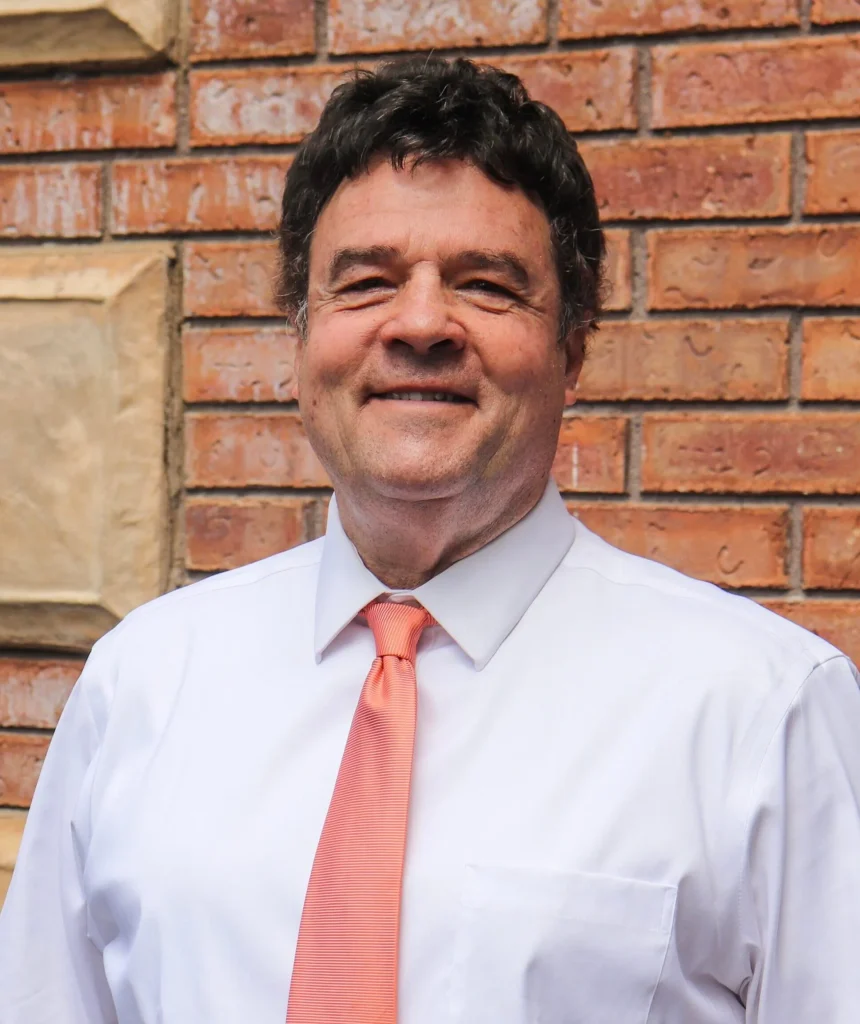
Dr. Jerry S. Clark D.C.
Clinic Director And Chiropractor
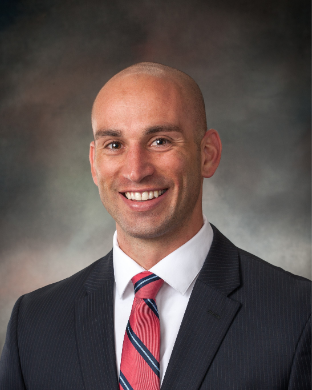
Dr. Mike Vanchiere D.C.
Chiropractor
See What Our Patients Have To Say
What Our Patients Say
I love coming here!! The doctor and staff are so kind and great to work with. I have also really seen a difference in how my back feels. I tumble so I constantly have high impact to my back so adjustments are a must. I have felt so much better since coming in here for care
I’ve had a really great experience with this PT office. The doctors are incredibly knowledgeable and take the time to explain what’s going on and how the treatments are actually helping. They’ve been amazing with adjustments, ozone treatments, and guiding me through strengthening exercises on their machines so I can…
AMAZING! The Best way to describe this office, staff! Starting with Abi whose always a delight at check in and any questions regarding payments, and moving on down to aspen, Chloe and Owen who are so personable and professional keep my appts running smooth with laid back energy really makes the stress go away! You h…
I love this place! it’s helping me a lot to recover. They helped me find out the bone injuries I have that I didn’t even know were there after my incident. The people here are so nice and respectful, they help you in the best ways possible. I’ve never been to a chiropractor before, but this place is amazing!
Everyone here is amazing! Dr. Clark has been the biggest help in making all my spinal problems practically disappear! Highly highly recommend even if you have any other issues, they do more than just adjustments! It's awesome!
Provo, UT's Top Source for Chiropractic Care
When you are looking for a chiropractor in Provo, UT, it helps to choose a clinic that focuses on both relief and long term function. Alpine Spinal Rehab provides chiropractic care for Provo residents who want to move better, recover faster, and stay active. Many patients start care for back pain, neck pain, sciatica, headaches, and stiffness that builds up from work, commuting, sports, or long hours sitting. Our approach is straightforward and centered on helping you improve mobility, reduce pain triggers, and build a stronger foundation for everyday life.
We proudly serve Provo, UT and also welcome patients from Orem and nearby Utah Valley communities. People often search online for chiropractor near me, back pain chiropractor Provo, sciatica chiropractor Provo, or chiropractor for car accident Provo, and our clinic is built to support those needs with a clear plan and consistent care. Whether you need help after an auto accident, want support for chronic pain conditions, or are looking for family chiropractic care, Alpine Spinal Rehab helps you take the next step with treatment options designed around your goals and lifestyle.
Why Choose Alpine Spinal Rehab in Provo, UT
Choosing the right chiropractor in Provo, UT matters. At Alpine Spinal Rehab, we combine experience, advanced tools, and a clear treatment process so you can feel confident about your care and your progress.
Longstanding Provo Experience
Serving Provo since 1980 with proven processes built around real patient outcomes and long term results.
One Clinic for Complete Spine Care
Chiropractic, spinal rehab, decompression, massage, and supportive therapies available in one location.
Advanced Spinal Rehabilitation Focus
Med X style strengthening and targeted rehab help improve stability so relief lasts beyond the visit.
Auto Accident and Chronic Pain Support
Care plans for whiplash, back pain, sciatica, and injuries with clear next steps and guidance.
Frequently Asked Questions
Get clear answers to common questions about visits at Alpine Spinal Rehab, including insurance, car accident care, decompression, and rehab.
What should I do first after a car accident if I feel sore or stiff?
Get evaluated as soon as possible, even if symptoms seem mild. Whiplash and soft tissue injuries often worsen over the first few days. We will document findings, check range of motion and nerve function, and create a plan focused on recovery and stability.
Can a chiropractor help sciatica, numbness, or pain that travels down my leg?
In many cases, yes. Sciatica is often related to irritation or compression along the nerve pathway. We evaluate the source, then use care that may include adjustments, decompression, and rehab exercises to reduce irritation and improve mechanics.
How do I know if spinal decompression is right for me?
Decompression is commonly recommended when disc issues are suspected and symptoms include sciatica, radiating pain, or persistent back pain that does not improve with rest. We will review your history, exam, and imaging if needed to decide if decompression fits.
What is Med X spinal rehab and why is it different from basic exercises?
Med X rehab targets deep spinal stabilizing muscles with controlled resistance and precise positioning. It is designed to rebuild strength and endurance in areas that often stay weak after injuries, long periods of pain, or repeated flare ups.
What happens at my first appointment with the New Patient Special?
You will receive a focused assessment and a chiropractic adjustment. X rays may be taken when clinically appropriate. If needed, we may also use passive therapies to reduce tightness and help you respond better to treatment. You will leave with a clear plan and next steps.
How long does it usually take to feel improvement?
Some patients feel relief quickly, especially with recent injuries or stiffness. Chronic conditions often take longer because the goal is not only to reduce pain but also to rebuild stability. After your exam, we will outline a realistic timeline based on your findings.
Do you treat kids and pregnant patients in Provo, UT?
Yes. We offer pediatric chiropractic care and prenatal chiropractic care. We use gentle, age appropriate techniques and focus on comfort, mobility, and safe support through each stage of care.
Do you accept insurance and Medicare at Alpine Spinal Rehab in Provo, UT?
Yes. We accept cash and many major insurance plans, including Medicare. If you tell us your plan, we can verify benefits and explain estimated costs before you start care.
Visit Alpine Spinal Rehab in Provo, UT
Alpine Spinal Rehab is easy to reach for patients throughout Provo and nearby Orem. Our office is near North University Avenue and the Jamestown Square area, making it a convenient option for families, commuters, and students looking for chiropractic care in Provo, UT. If you are dealing with back pain, neck pain, sciatica, or recovering from a car accident, contact our team to schedule your visit and get clear next steps for care.
Our Location
3325 N University Ave Ste 125, Provo, UT
Call Us
385-314-4552
Office Hours
Mon, Wed, Thur 8:00 am - 12:00 pm, 3:00 pm - 6:30 pm
Fri 8:00 am - 12:00 pm Sat 9:00 am - 10:00 am
Tue, Sun Closed